FLIBS 2026: What the Superyacht Market Means for Crew Jobs
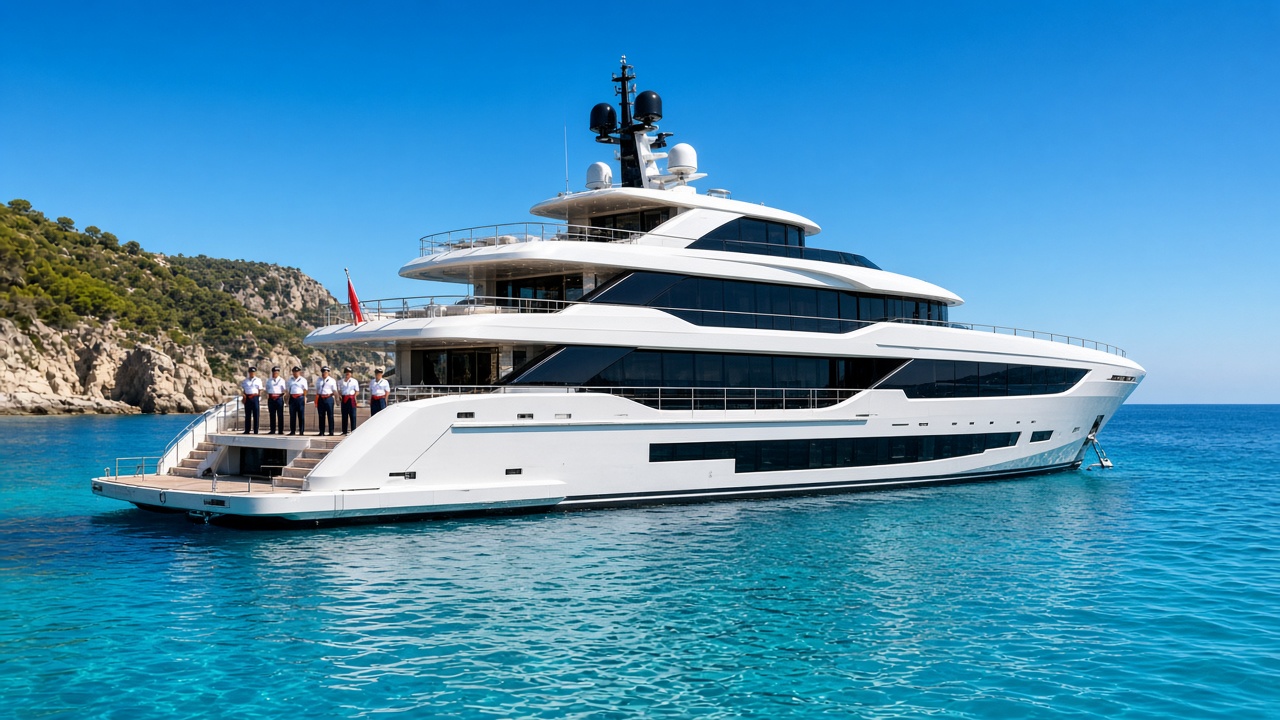
Fort Lauderdale opens as 40m+ yacht sales run ~20% ahead of 2025. What the two-speed superyacht market means for crew hiring, and how to position yourself.
Fort Lauderdale International Boat Show opens its doors today, 28 October 2026, and I think it's the right moment to step back from the glossy walkthroughs and ask the question that matters to everyone reading this site: what does the state of the superyacht market actually mean for crew jobs?
My short answer is upbeat, with a caveat. The money is moving to bigger boats, and bigger boats mean bigger crews, more specialised roles and better-structured contracts. But the middle of the market is wobbling, and if you're chasing work on 30–40m yachts you need to be sharper than you were two years ago.
Let's look at what the numbers say.

A two-speed market heading into FLIBS
Edmiston's Q3 2026 market update, published on 7 October, counts 254 yachts sold year to date, only 4% below the same point in 2025. That headline hides a split. Edmiston says sales in the 30–40m segment have softened, while activity above 40m is "almost 20% ahead" of 2025. It also notes that the number of new yachts coming to market is down 15% year on year, and that sales of yachts under five years old on the brokerage market are up 23%.
BOAT International's BOATPro data tells a similar story from a different angle. Its September 2026 brokerage report shows sales value down almost 20% year on year to €771.9 million across 34 transactions on yachts of 24m and above, but with eleven more sales than the same month in 2025. More boats changing hands, at lower average values.
Then yesterday CNBC's Robert Frank published a piece on American buyers ahead of the show. According to industry executives quoted there, Americans now account for about 40% of global yacht sales, and they make up the majority of the market for yachts over 250 feet. Northrop & Johnson figures cited in the article put orders for 40–50m yachts up from 49 to 63 this year, even as total new orders over 78 feet dropped from 266 to 216. Fraser CEO Anders Kurtén told CNBC the top end has been "inventory constrained" and that "demand is greater than supply". He also said Fraser had planned to bring more yachts to Fort Lauderdale but sold four of them in recent weeks.
That's not a market in trouble. It's a market concentrating.
Why this is good news for crew (mostly)
Here's my read. When buyers concentrate on 40m-plus yachts, and especially on near-new boats, three things follow for crew.
1. More berths per hull. A 30m yacht might run with a handful of crew. A 60m or 80m yacht runs a full department structure with second and third officers, second engineers, ETOs, sous chefs, pursers and specialist interior roles. Every sale above 40m pulls through more jobs than a sale below it.
2. Handover hiring. A yacht that changes owners often changes crew, or at least restructures. With more transactions happening (BOATPro's September volume was up even as value fell), there's a steady churn of new programmes, new captains and new crew lists. Brokerage activity is hiring activity, just a few weeks delayed.
3. Premium for experience on newer technology. Edmiston's point that near-new yachts are selling faster matters here. Newer boats carry more complex systems: hybrid propulsion, integrated bridge systems, extensive AV/IT networks. Crew who can show recent experience on modern builds are worth more.
The caveat: the 30–40m segment is where many crew get their first or second job. If that segment is softer, entry-level competition stays tight. That's not a reason to give up. It's a reason to be more strategic.
What I'd do right now if I were job hunting
If you're green crew
Get your basics done properly and early: STCW Basic Safety Training and a valid ENG1 (or an accepted equivalent seafarer medical) are the standard minimum most recruiters and captains will ask for. Then think beyond the classic dock walk. With American buyers so dominant, Fort Lauderdale and the wider South Florida hub are a strong place to be this season, and the show week itself brings captains, managers and agencies into one place.
Most importantly, add a skill that makes you useful on a bigger boat. A tender driving qualification, a dive certificate, watersports instruction, a barista or mixology course, or a proper silver-service background will move you up a pile of near-identical CVs.
If you're already working on a 30–40m yacht
This is your moment to step up in size. The 40m-plus segment is where activity is growing, and the move from a small crew to a larger, departmentalised one is one of the best career accelerators in yachting. Talk to your captain, get references lined up, and look at roles on 50m+ boats where the structure gives you a clear path from deckhand to lead deckhand to bosun, or from stew to second stew.
If you're senior crew
Captains, chief officers, chief engineers and chief stews with experience on large, modern yachts are in a strong position. CNBC reports that a buyer ordering a new mega-yacht today might wait until 2031 or later for delivery because top shipyards are booked solid. Those projects will need build captains, owner's reps and senior engineers on site for years. That's a niche worth positioning for.
The industry is reshuffling too
It's not just yachts changing hands. Leadership across the business is moving. Superyacht Investor reported on 27 October that Camper & Nicholsons has appointed Benjamin Bensahel as CEO, replacing Paolo Casani, and earlier in October that Patrick Coote replaced Bob Denison as president of Denison Yachting following its acquisition by OceanWorld Group. YachtBuyer reported on 23 October that Ferretti Group secured approval for a €3m shipyard expansion aimed at building 100m superyachts.
Every one of those moves ripples down: new management teams rethink charter fleets and crewing, and shipyard expansion means more build projects needing crew in the yard before the yacht ever touches water.
My take
I'm optimistic. Yes, sales value is down on last year and the mid-size market is cooling. But the structural trend is clear: bigger, newer, more technical yachts, owned increasingly by American buyers, with demand at the top outrunning supply. That's a recipe for more professional, better-paid, longer-term crew careers.
The crew who'll do best in 2027 are the ones who treat yachting as a profession: up-to-date certificates, a specialism, a clear plan for moving up in size and rank, and a CV that proves they can handle modern systems.
If you're in Fort Lauderdale this week, get on the docks, be polite, be prepared, and follow up. And if you're not, keep an eye on the latest superyacht jobs here. We'll keep tracking who's hiring as the season turns.
Sources: Edmiston Q3 2026 market update; BOAT International BOATPro September 2026 brokerage report; CNBC, 27 October 2026; Superyacht Investor; YachtBuyer industry news.