Superyacht Second Engineer Jobs 2026: Role, Pay & Path
Second Engineer jobs in 2026: what the role does, pay by yacht size, the tickets that get you hired, live rotational openings and how to step up.
If the Chief Engineer is the person who keeps a superyacht alive, the Second Engineer is the person who does a huge share of the actual keeping. I have a soft spot for this rank. It is hands-on, it is respected, and right now it is one of the most employable seats on the whole yacht. Engineers are scarce, the machinery keeps getting smarter, and the people who can run both the diesel and the data are going to have an exciting decade.
This is the next instalment in our What Each Role Does series, following the ETO guide and the broader engineering ladder from junior to chief. Here is what a Second Engineer really does, what it pays, the tickets that get you hired, and what is open right now.
What a Second Engineer actually does
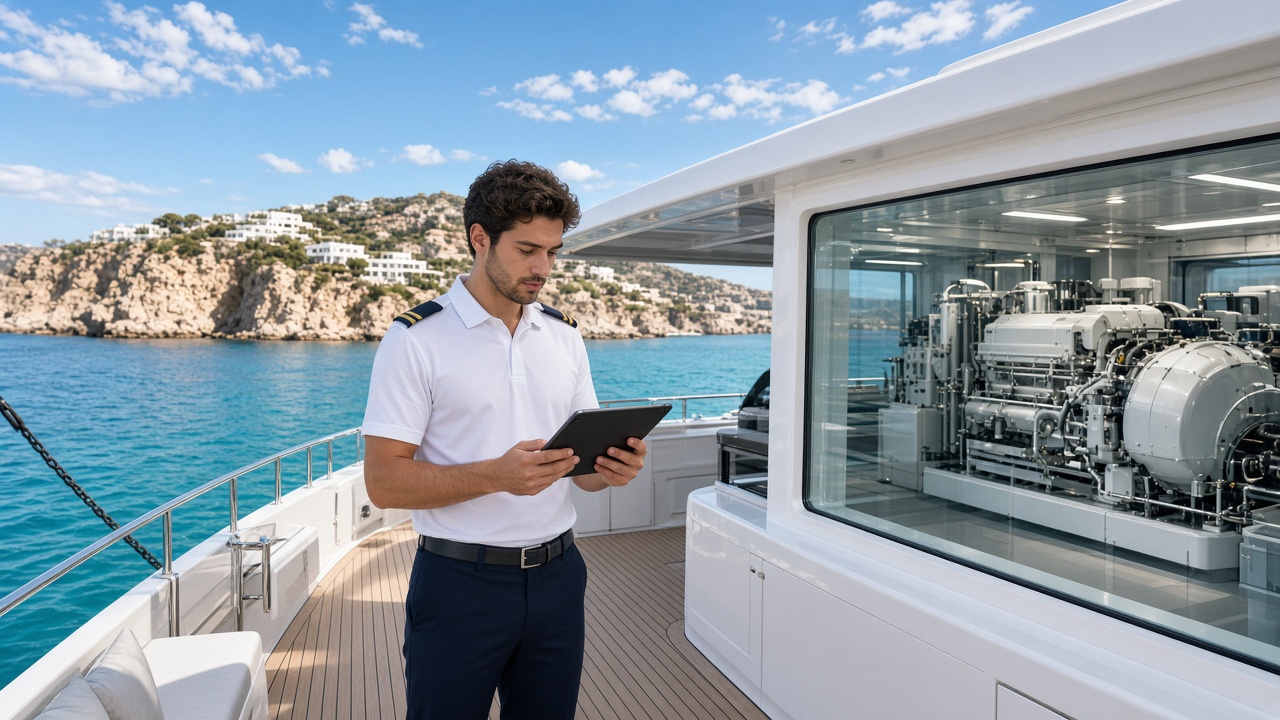
Our Second Engineer role guide calls the Second the chief engineer's right hand, and that is spot on. Most of the job is planned maintenance. Generators, main engines, watermakers, sewage plants, chillers, stabilisers, fuel and bilge systems all have service intervals in the planned maintenance system (PMS), and the Second works through them. You take fuel and oil samples, log running hours, order spares, and keep the engine room clean enough for a surveyor to walk in unannounced.
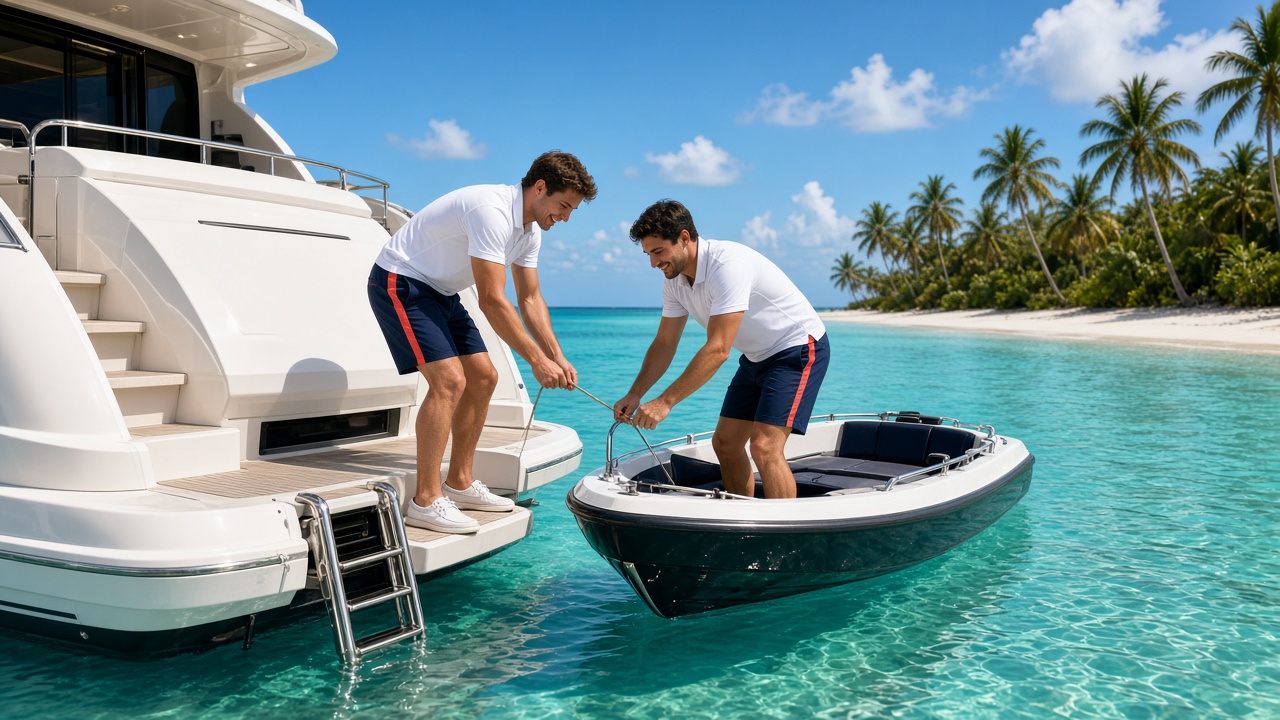
Then the guests come aboard and the priorities flip. A failed fan coil in the owner's cabin matters more than a scheduled oil change, so planned work moves to quiet hours. You will also keep the tenders and jet skis running. At sea you stand engine room watches or share a rota with the Third; in port you supervise contractors and run bunkering with the deck team.
Yacht size changes the job more than almost anything:
- On a 40–55m yacht the Second is often the Chief's only help. You cover everything from electrics to the laundry machines, and you learn fast.
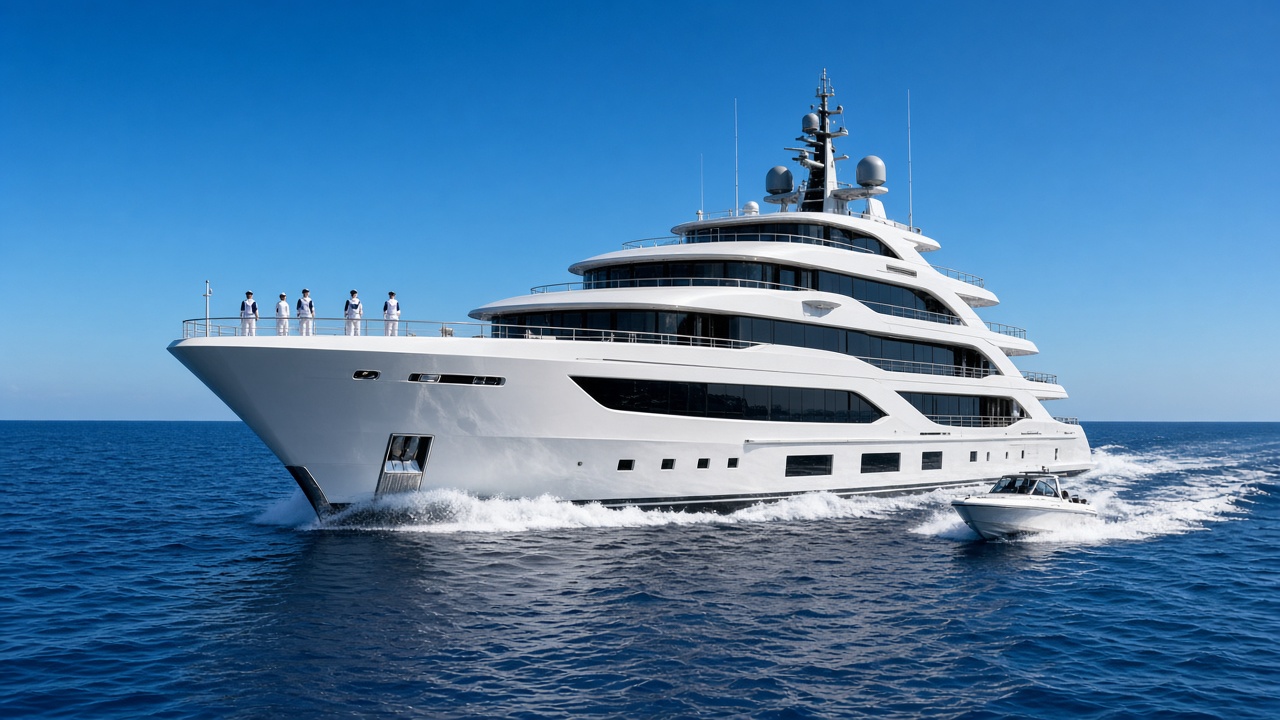
- On a 90m+ yacht there may be a First Engineer above you and a team of five or six. You often own an area, such as hotel systems or the tender fleet, with an ETO handling electronics and AV.
Neither is better. The smaller boat builds breadth. The larger boat builds process and exposure to big plant, which matters when you go for a Chief's job.
What it pays in 2026
Pay depends heavily on yacht size, private versus charter, rotation and your tickets, so treat any number as a starting point. Here is how the main public sources line up.
Our own role page estimates monthly pay before tips, in US dollars, and checks it against the Northrop & Johnson 2026 Yacht Crew Salary Guide:
- 40–60m: about US$5,500–7,500
- 60–80m: about US$7,000–9,000
- 80–100m: about US$8,500–11,000
- 100m+: about US$10,000–13,000
The Northrop & Johnson guide's own range for Second Engineers, as quoted on that page, is US$4,500–9,000 a month. The recruitment site Yachtly Crew is lower on the larger yachts, at US$5,000–6,000 on 40–50m, US$6,500–8,000 on 60–80m and US$7,500–9,000+ on 80m and up, and it describes these as estimates. It also says Second Engineer pay has been stable in 2025–26 after strong growth in 2021–23, and that private yachts typically pay US$500–1,000 more than charter yachts, though charter yachts add tips.
My read: expect the range to be wide, and read the actual advert. Real listings tell you more than any guide. A few that I checked are live today:
- Quay Crew, 2nd Engineer on a 95m+ motor yacht (listed 30 October 2026): €8,000 a month, 2:2 rotation, start mid-December, Mediterranean with a winter plan to cross to the Caribbean and US. Needs an SV 2nd Engineer certificate as a minimum, MTU QL1 and five years of yacht experience.
- Hodgson Marine, Rotational Second Engineer on a 65m motor yacht, based in Antigua: from US$6,000 a month, 10 weeks on and 10 off, paid on and off rotation, with charter tips shared 50/50 with your counterpart. It starts after the Antigua show on 9 December. Needs III/1 (MN) or III/3 (Y3/SV) and two to three years of yachting experience.
- MYS Superyacht Crew, Temporary/Relief 2nd Engineer on a ~49m Feadship: about US$200 a day, Indonesia, roughly 4–24 November 2026, with dates flexible. It asks for MEOL, EOOW or equivalent, and yachting experience is preferred but not essential. This one is a short window, so move quickly if it suits you.
Notice the spread. The same job title runs from a daily relief rate to €8,000 a month on a 95m+, and the difference is mostly yacht size, tickets and rotation.
The tickets that get you hired
The basics are not negotiable, and our guide lists them as STCW Basic Safety Training, an ENG1 medical, and a minimum MCA Y4 certificate of competency (a Y3 is expected on larger yachts), plus the PDSD personal safety and social responsibility training. Always check the yacht's safe manning document, because that sets the legal requirement.
Then look at what the adverts above actually ask for, because that is the market telling you what it values:
- Progress towards Y2. It opens First Engineer jobs on large yachts and Chief roles on yachts of around 45–55m, according to our role page.
- Manufacturer training. Quay wants MTU QL1 on that 95m+. Caterpillar, MTU and MAN courses are widely valued.
- AV/IT knowledge. The Hodgson advert lists it outright. Modern yachts are floating networks, and the Second who can fix both a generator and a switch is rare and well paid.
- HVAC and PLC skills. Yachtly says HVAC certification is increasingly expected and that PLC and automation expertise commands premium pay.
- Visas. A Schengen visa for non-EU crew and a US B1/B2 turn up in nearly every advert for a yacht crossing between the Mediterranean and the Americas.
A trade background counts. Our guide notes that ex-navy engineers, diesel mechanics, marine technicians and electricians do well, provided you hold the right certificate. Without yacht time you will usually start as a Third or sole engineer on a smaller boat.
The tech angle, and why I am optimistic
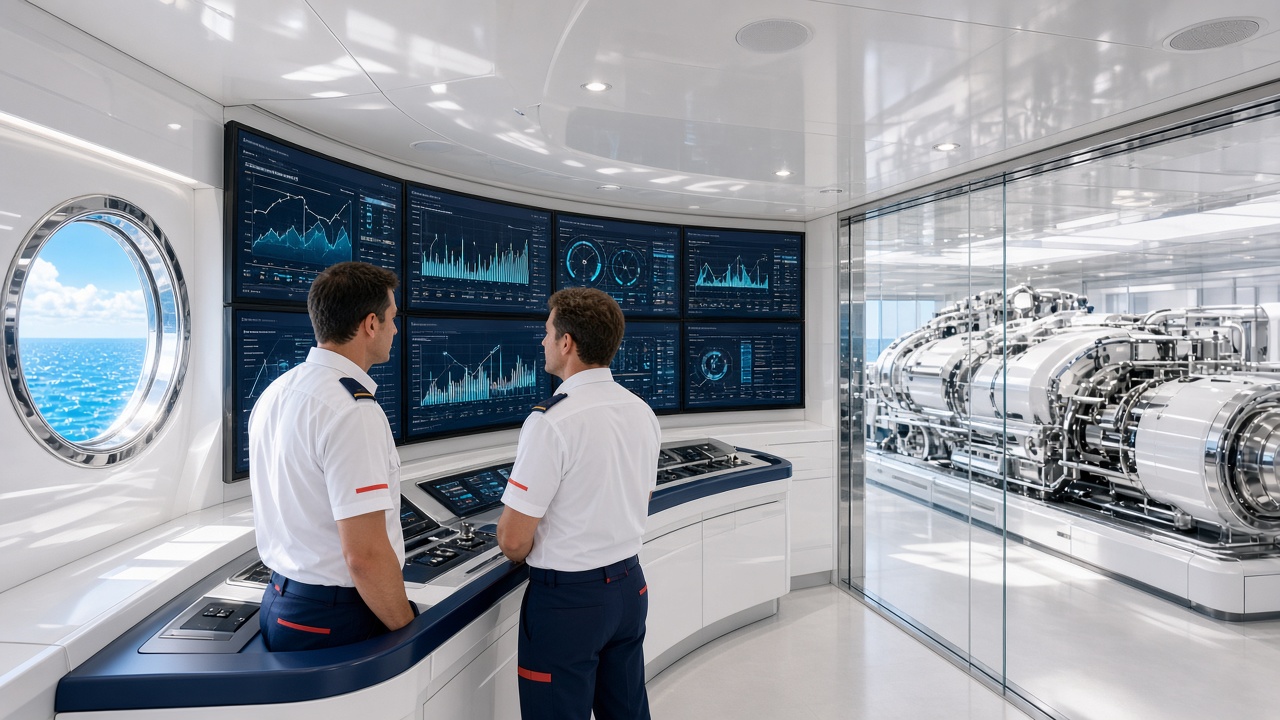
Here is the part I find most exciting. Engineering is being digitised fast, and the Second sits right in the middle of it. In early November, DeepBlue launched DeepBlue Rounds, a feature that lets crew take engine-room readings and complete maintenance jobs on phones or tablets, with each value recorded against the equipment it belongs to. Its press release says it rejects a running-hours reading lower than the previous one at entry. The platform is used on more than 500 yachts, according to the company.
That is a vendor announcement, so take it as one. But I think it points in a clear direction. The paperwork half of the Second's day gets lighter, and the value moves to judgement: noticing the trend in the readings, deciding what to fix in the yard period, and keeping the guests cool and comfortable. Engineers who are comfortable with data will be the ones captains fight over.
I would not panic about AI replacing a job that involves crawling into a bilge with a torch. I would learn the new tools early and be the person on board who explains them to the Chief.
How to step up to Second Engineer
- Get the right ticket for the yacht size you want. Don't aim at 90m with a Y4. Check the safe manning of the boats you like.
- Add one differentiator. An MTU or CAT course, HVAC, or PLC and AV/IT skills. Pick the one your target yachts ask for.
- Aim for two seasons on one yacht. Our guide is clear that this reads better on a CV than five short contracts.
- Keep your documents current. STCW, ENG1, visas and a Seaman's Discharge Book, where requested.
- Write up your work. Chiefs hire people who document what they did in the PMS. Show that in your CV and your references.
- Consider rotation. Over 70m it is common, usually 2:2 or 3:3, and it makes studying for the Y2 far easier.
The typical Second spends two to four years in the seat while building sea time, then moves to First or takes a Chief's job on a smaller yacht. It is a great place to be.
Ready to look?
When I searched the board today for "engineer", 41 live listings came up, from sole engineers to chiefs. Browse them and set a job alert on the SuperyachtRoles jobs board, and have your certificates in one folder before you apply. The captains who need a Second Engineer in December are not going to wait until January.