Superyacht Second Officer Jobs 2026: Role, Pay & Path
Superyacht Second Officer jobs in 2026: what the role does, the tickets you need, pay by yacht size in EUR and USD, and how to step up to the bridge.
The Second Officer seat is where a yacht career changes shape. Up to now you have been judged on how cleanly you wash down, how well you drive a tender and how you handle guests on the swim platform. From here on you are judged on navigation, paperwork, safety and how calmly you carry responsibility at 0300 with the Captain asleep below. I love this rank because it is the first one where you are genuinely trusted with the ship, and it sets up everything that follows.
This is the next instalment in our What Each Role Does series, picking up the deck ladder after the First Officer guide. Here is what a Second Officer actually does, what it pays by yacht size, the tickets you need, and an honest read of the 2026 market.
What a Second Officer actually does
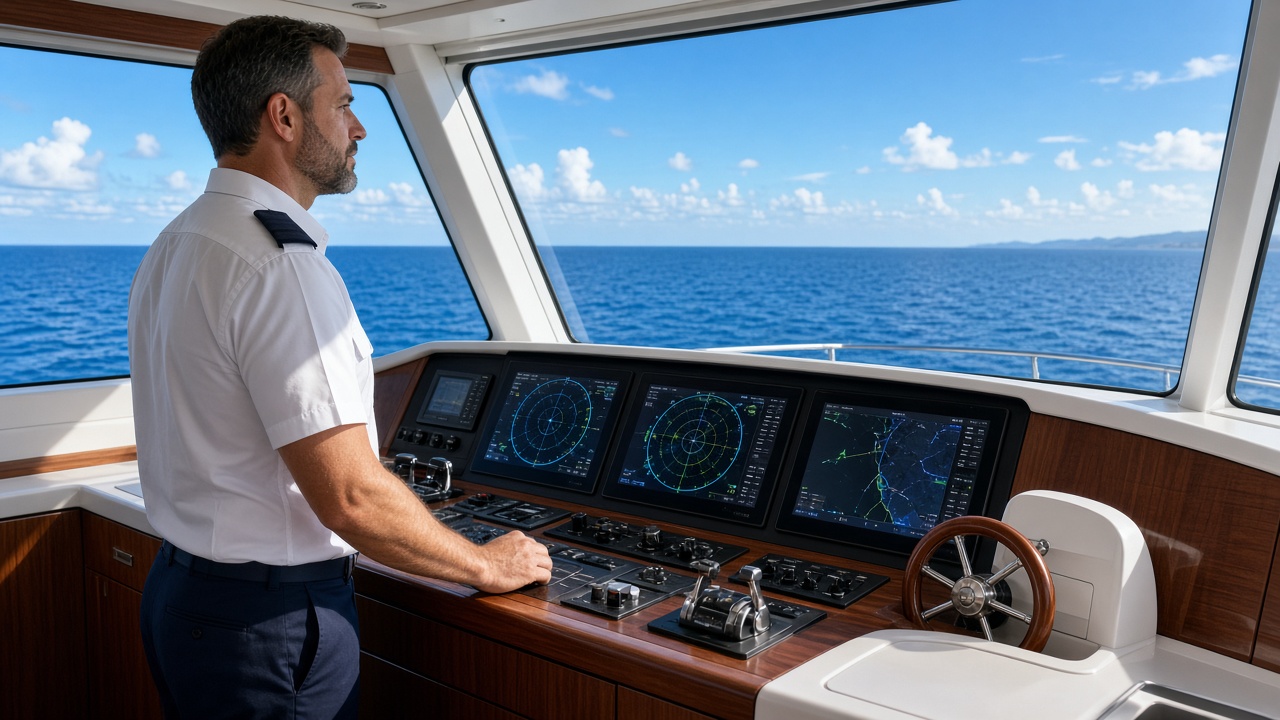
Our Second Officer role guide describes it as the first proper officer job on most yachts, and that is exactly right. The heart of the job is watchkeeping. At sea you hold a set watch, often the 12 to 4, with a deckhand on lookout. You keep the log, watch radar and AIS, apply the COLREGs, and call the Captain the moment something changes.
Between watches the work is quieter but just as important:
- Passage planning on ECDIS. You build the plan for the Captain to approve, and keep charts, publications and Notices to Mariners corrected.
- GMDSS routines. Radio checks, logs and making sure the yacht can talk to the world if it ever needs to.
- Safety equipment. On most yachts the Second Officer is also the safety officer, so liferafts, EEBDs, extinguishers, lifejackets and the drill schedule are yours.
- Port paperwork. Pre-arrival forms, crew lists and berthing plans for the agent and the bosun.
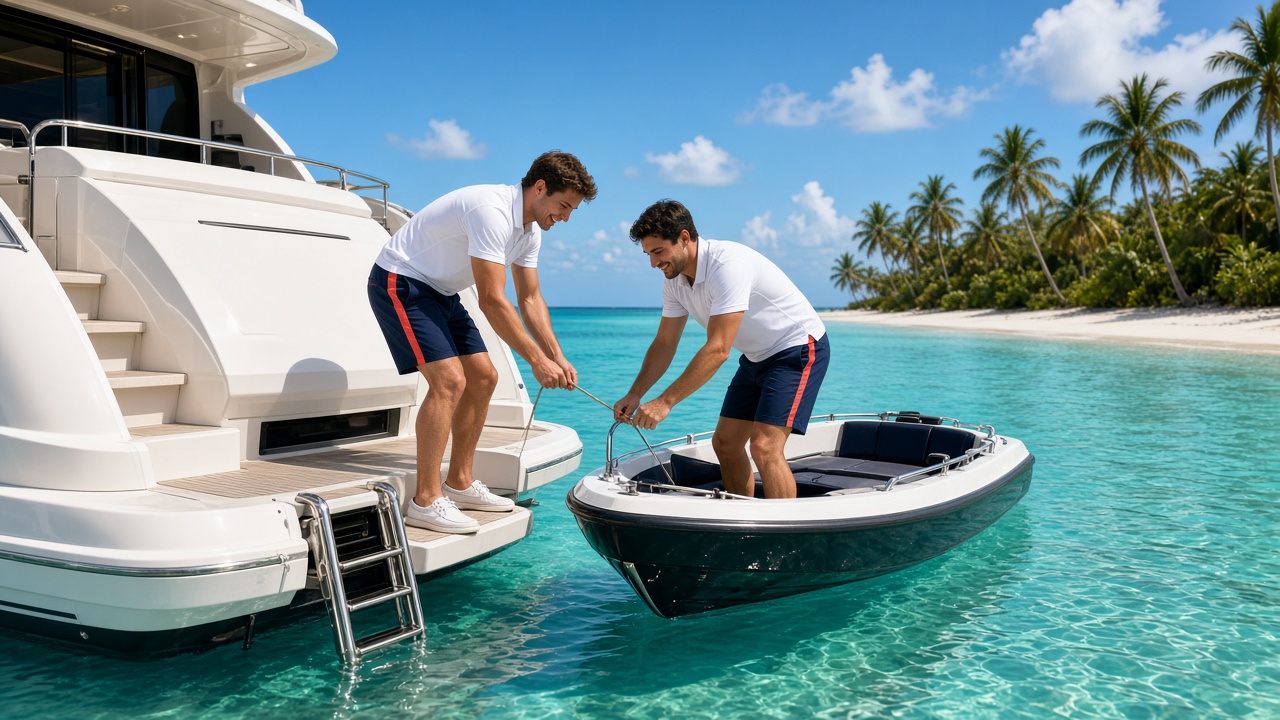
Then the guests arrive and the deck side grows. You drive tenders, run anchorages, supervise water toys and stand on the aft deck for landings. The live Rotational 2nd Officer 75m listing from Saltwater Recruitment puts a number on it: roughly 70% bridge and 30% deck, with Transas ECDIS for passage planning and the IDEA planned maintenance system for safety.
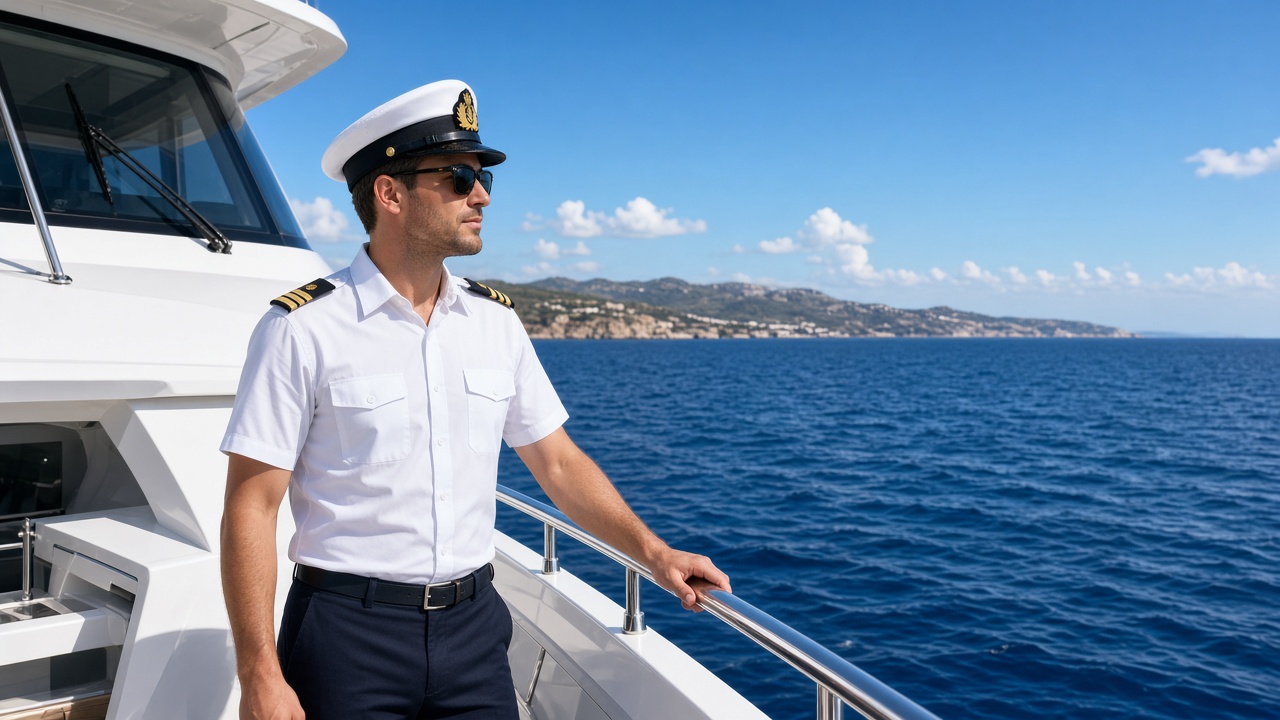
Why the job looks different at 55m and 100m+
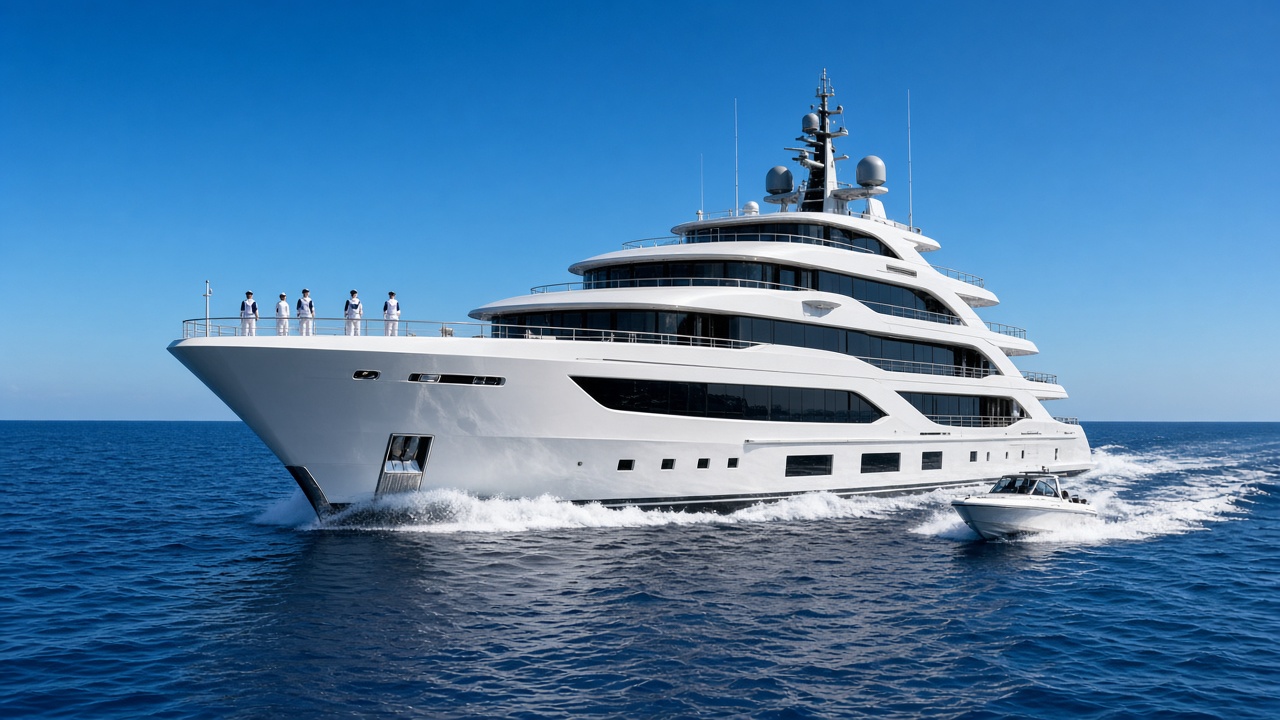
Yacht size changes this role more than almost any other. On a 55m the Second Officer may be the only officer under the Chief Officer and can spend half the day working with the deck team. You will sand, varnish, drive and lead alongside the bosun. On a 100m+ the job narrows. There may be a Third Officer below you and a First Officer above, and you might own one specific area such as safety, security or the ISM documentation.
Neither is better. The smaller yacht builds breadth and hands-on leadership. The larger yacht builds process, bridge discipline and time on big tonnage, which carries real weight later when you apply for Chief Officer and command.
Second vs Third vs First vs Chief Officer
The ranks blur on smaller yachts, so here is how I explain them:
- Third Officer. Often newly qualified, standing watches under supervision. Usually found on 60m+ yachts.
- Second Officer. More senior. Owns the safety equipment, does more of the passage planning, and may supervise the Third.
- First Officer. On yachts over 100m / 3,000 GT, YPI CREW notes that the First Officer and Chief Officer are usually separate jobs. The First sits between Second and Chief.
- Chief Officer. Second in command. Runs the deck department and deputises for the Captain. On smaller yachts this person is often called the Mate or First Mate.
If you are mapping the whole ladder, our deckhand to captain guide puts every rung on one page.
Tickets and visas
The role guide splits these into must-haves and tickets that get you hired.
Must have:
- MCA OOW 3000gt Certificate of Competency, or equivalent
- GMDSS GOC
- STCW Basic Safety Training
- ENG1 medical
- PDSD
Gets you hired:
- ECDIS, generic and type-specific
- HELM (Operational)
- Advanced Fire Fighting
- Ship Security Officer
- RYA Powerboat Level 2
Visas: a US B1/B2 and Schengen right to work are close to essential. Every live listing I checked this week asks for B1/B2, and the Seven Seas 85m+ role wants Schengen or an EU passport as well.
What a Second Officer earns in 2026
I am showing two sources here and keeping them apart, because they use different currencies and methods. Please don't average them into one table.
YPI CREW 2026 benchmarks (euros, per month)
From the YPI CREW Superyacht Officer Salary Guide 2026:
- 50–60m: €5,000–€6,000 (60 days+ or rotation)
- 60–80m: €5,500–€6,500 (60 days+ or rotation)
- 80–100m: €6,000+ (equal rotation)
- 100m+: €6,500–€7,500 (equal rotation)
For context, YPI puts the 3rd Officer at €4,500+ on 60–80m and €5,500–€6,500 on 80m+, and the First Officer (100m+ only) at €7,500–€9,500.
SuperyachtRoles.com estimates (US dollars, per month)
Our role guide's ranges, checked against the Northrop & Johnson 2026 Yacht Crew Salary Guide:
- 50–60m: US$5,000–6,500
- 60–80m: US$6,000–7,500
- 80–100m: US$7,000–8,500
- 100m+: US$8,000–10,000
The Northrop & Johnson guide's own figures, as quoted on our role page, put a 2nd officer at 5–8k and a 3rd officer at 4.5–6.5k a month. Charter tips can add several thousand dollars a season on busy charter yachts. Rotation, which is common on 80m+, usually pays a slightly lower monthly rate in exchange for paid time off.
What real ads are offering
Benchmarks are useful, but live ads tell you more. The Quay Crew 80m 2nd Officer role, listed 28 October, offers €6,000 a month on 2:2, an even split of tips, a 13th-month bonus, a training allowance and paid training leave, with a join date around 20 November. That sits neatly inside the YPI 60–80m and 80–100m bands. On our own board, TWW Yachts' Bosun / 2nd Officer winter cover on a 50m in Palma lists €4,500–€5,500 DOE for 1 December to late January. That is a temp hybrid role, so the slightly lower number makes sense.
The honest 2026 market
YPI's guide opens with a line every officer should read: "supply has outpaced opportunity." The fleet is still growing, with 340 new 30m+ superyacht deliveries expected this year, but bridge roles have not kept pace with the number of qualified officers.
I don't read that as bad news. I read it as a sorting mechanism. It means the officers who prepare properly stand out more, not less. YPI makes three points that I would pin to the mess wall:
- Deck to bridge is a mindset shift, not just a promotion. Captains want decision-making, clear communication, organisation and calm under pressure.
- Interview preparation is now decisive. Be able to explain how your experience reduces operational risk for that particular yacht and its programme.
- Rotation is earned. Rotational Second Officer roles generally need proven navigational experience and a record of long-term commitment. If your CV shows four boats in three years, fix that story first.
The live ads say the same thing. Quay Crew wants a year as 2nd Officer, or a Chief Officer from a smaller yacht stepping up in size. Saltwater says plainly that the role is not suited to someone newly qualified with no operational experience.
How to step up into the seat
From lead deckhand or bosun. Our role guide is clear that Captains hire Second Officers with yacht deck experience and a fresh OOW 3000gt. Two or three seasons on deck, plenty of tender hours and strong Captain references count as much as the ticket. Take on the safety rounds and the passage plan drafts now, and ask the Chief Officer to sign off your work. Then you can say "I already do this" in interview.
From Third Officer. Get onto your Captain's radar for the safety officer role, own a project such as an ISM audit or a drill overhaul, and log it. Moving to a larger yacht at the same rank is also a smart play, because 80m+ time travels well.
From the merchant navy. You are welcome, especially on 80m+ where bridge standards are close to commercial. Show you can drive a tender, work with guests and pitch in on deck. A season at a lower rank is sometimes the price of entry, and it pays back quickly.
Most people spend two to four years as Second Officer, building sea service toward the Chief Mate 3000gt CoC, often with the yacht helping on college fees. After that comes Chief Officer and, eventually, the Captain's chair.
Second Officer seats open right now
These are live on SuperyachtRoles.com as I write (8 November 2026):
- Second Officer, 85m+ private and charter MY, Seven Seas Recruitment. 2:2 rotation, joining around 19 November, US winter then a Med summer. OOW 3000, B1/B2 and Schengen required.
- Rotational 2nd Officer, 75m, Saltwater Recruitment. 2:2, joining in West Palm Beach in early December for a Bahamas winter, with a discretionary 13th-month bonus.
- Bosun / 2nd Officer winter cover, 50m, TWW Yachts, Palma.
- 2nd Officer, Bespoke Crew, worldwide.
Honestly, this is a great rank to be chasing in 2026. The yachts are bigger, the bridges are more digital and the career runway is long. Get the tickets, build the story, prepare for the interview like it matters (because it does), then browse every live deck and bridge job on SuperyachtRoles.com and put your name forward.